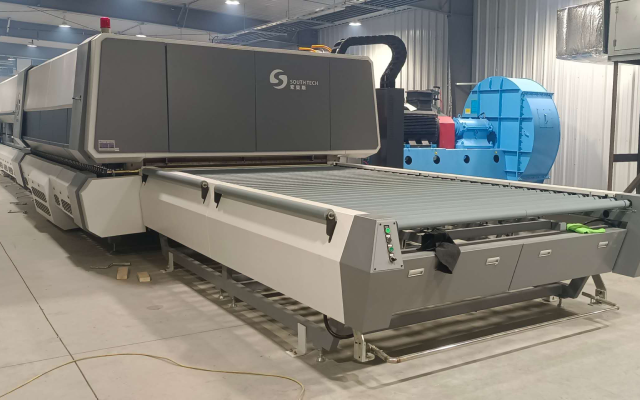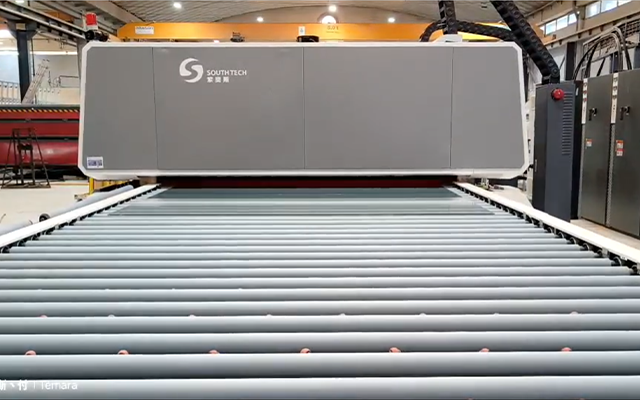
Pioneering Thin-Glass Tempering For Full-Range Appliance Glass

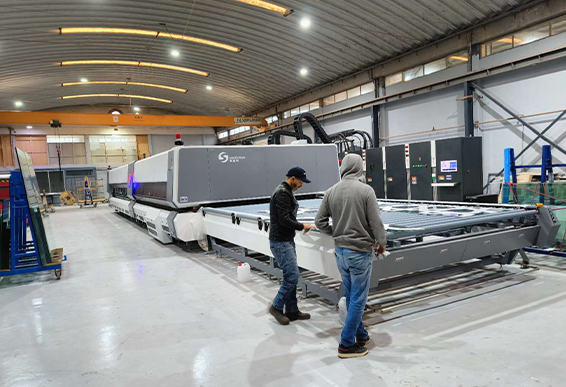
Leveraging over two decades of deep expertise in thin-glass technology, SOUTH TECH leads the industry as the first manufacturer to conquer the technical challenge of 2mm ultra-thin glass tempering.

Compatible with various glass specifications for kitchen appliances, refrigerators, and small electronics, our solution delivers optical quality, surface flatness, and safety performance that consistently exceed tier-one industry standards—ensuring stable, high-quality mass production of ultra-thin home appliance glass.
 

Types of Glass

  • 1-Microwave-Oven-Glass

    Microwave-Oven-Glass

  • 2-Gas-Stove-Glass

    Gas-Stove-Glass

  • 3-Refrigerator-Glass

    Refrigerator-Glass

  • 4-Display-Freezer-Glass

    Display-Freezer-Glass

  • 5-Range-Hood-Glass

    Range-Hood-Glass

  • 6-Touch-Panel-Glass

    Touch-Panel-Glass

FAQ

  • Tempering home appliance glass can greatly boost the safety and durability of household appliances. Tempered glass boasts drastically improved strength to withstand impacts during cooking, drastic temperature fluctuations and daily bumps. Even if tempered glass breaks accidentally, it shatters into safe granular fragments without sharp edges, effectively preventing lacerations. Meanwhile, the outstanding thermal stability and resistance to low-temperature impact deformation of tempered glass are essential guarantees for the safe operation of home appliances such as ovens, cooktops, stoves, refrigerators and freezers.

  • No. Glass tempering is a physical strengthening process that does not alter the glass’s density or thickness, so there is nearly no difference in weight. The superior strength of tempered glass over regular glass stems from pre-stress formed inside the glass, rather than added material.

  • Printing must be completed prior to tempering. Ceramic ink for glass requires sintering at high temperatures (usually over 600°C) inside the tempering furnace to achieve permanent curing, resulting in a hard, wear-resistant and corrosion-resistant finish. Therefore, the printing procedure must be finished before glass tempering, and the tempering process doubles as the ink sintering process.

Made With Heart Safe To Use

Contact Us