
The Path To Quality Upgrade: Yingwei Glass and Sateak's Second Partnership
An old customer choosing Sateak again isn't about habit—it's about trust that's been verified.
Customer Background
Yingwei Glass is a company specializing in architectural curtain wall and door-window glass tempering. Over the years, with stable production capacity and reliable delivery, it has built a solid customer base in eastern Guangdong.
Yingwei's old tempering furnace was also from Sateak. "After all these years, it never gave us major trouble," the manager said. "So when it was time to upgrade, Sateak was our first choice."
The construction industry has increasingly higher standards for glass quality—specifications for wind marks, flatness, and optical clarity in the door-window segment are no longer "good enough if it works," but rather "must meet standards." At the same time, the order mix has been shifting, with large-format glass accounting for a growing share. The old production line's technical capabilities could no longer keep pace.
"On three fronts—process, capacity, and quality—we hit a bottleneck simultaneously," the Yingwei manager recalled. "That's when we realized that to win higher-end orders, we needed a complete equipment upgrade."
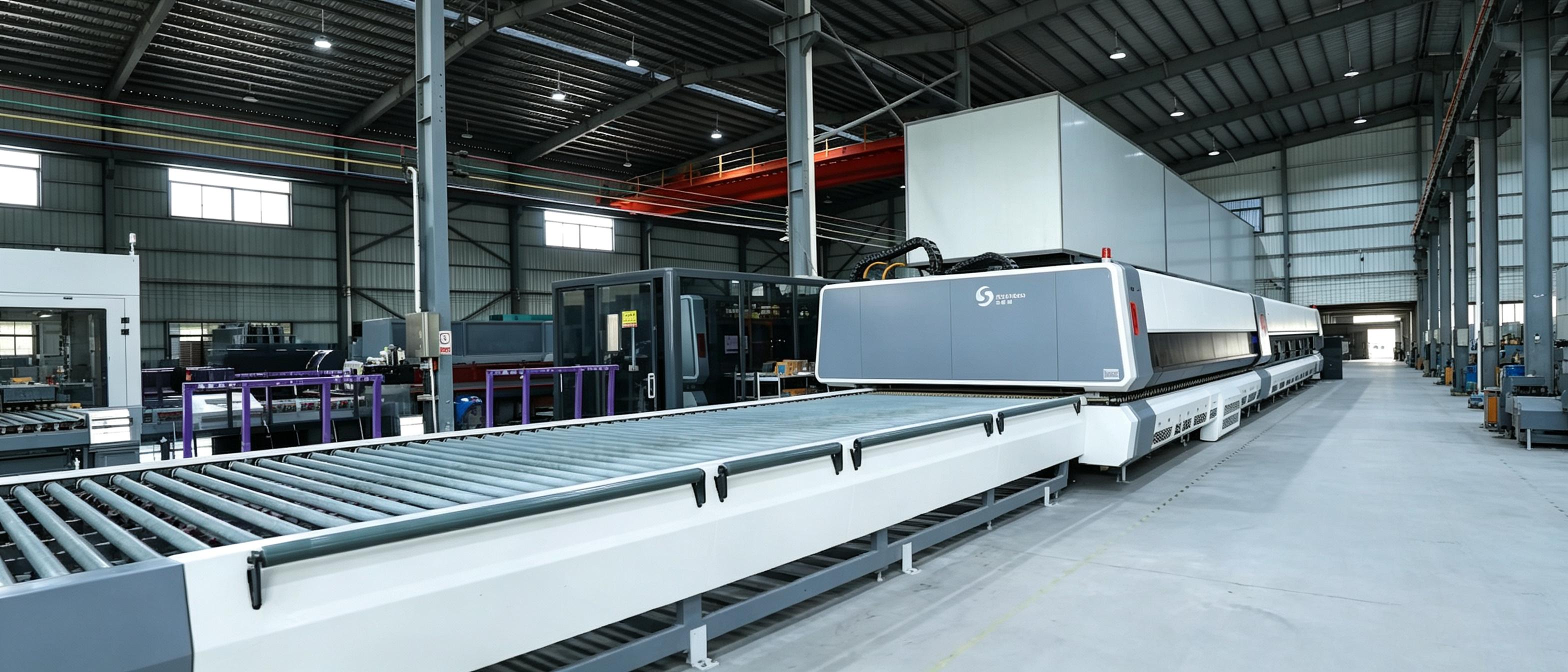
Ultimate Stability, Safeguarding Every Inch.
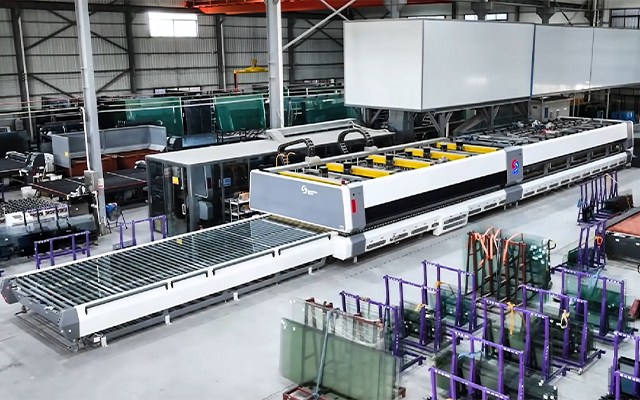
Sateak's SIMBA HC Series caught Yingwei's attention.
"We evaluated proposals from several manufacturers," the manager said. "We ultimately chose the SIMBA HC Series because it genuinely has specific capabilities for the architectural and door-window glass segment."
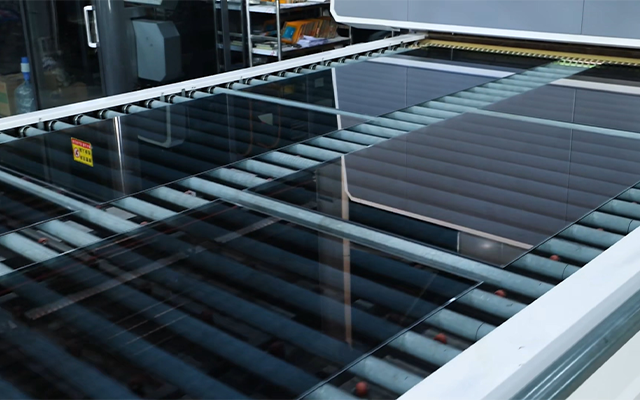
The SIMBA HC Series is equipped with a forced convection blower system—a fundamental distinction from older radiant heating equipment. The forced convection delivers more uniform heating and more stable power control. Particularly in the cooling section, the extended air grid gives glass sufficient quenching time, noticeably improving flatness.
The sine wave technology was the key innovation.
"With the cooling airflow impact point constantly changing, the cooling and stress distribution become more uniform," the R&D engineer explained. "Wind marks are caused by stress concentration from uneven cooling. The sine wave technology addresses this problem at its root."
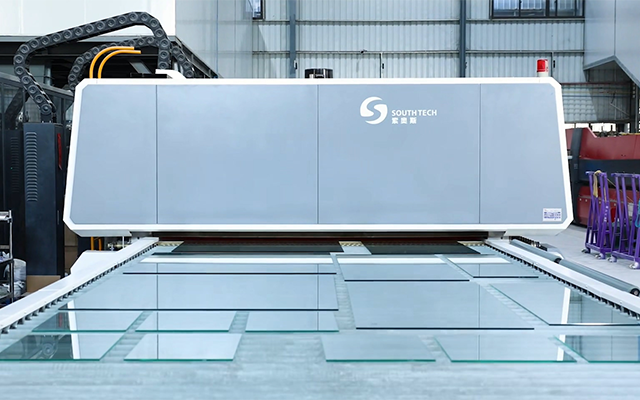
Solutions
After the new furnace was commissioned, results came quickly.
Orders for large-format glass continued to grow, and Sateak's new furnace delivered with consistently high quality and output. "Before, when customers inspected our products, we weren't confident," the Yingwei manager said. "Now when they come with their instruments, we can stand behind our work."
The project results confirmed this: LOW-E large-format glass quality stabilized, with imaging showing virtually no distortion at 30 meters, and glass bow and wave values both meeting the industry high standard of 0.01/300mm. With stable equipment and efficient production, Yingwei's market reputation further improved.
"This gave us tremendous confidence in production," the Yingwei manager summarized. "Good equipment really can change how a factory is perceived by its customers."

Case Study Videos
-
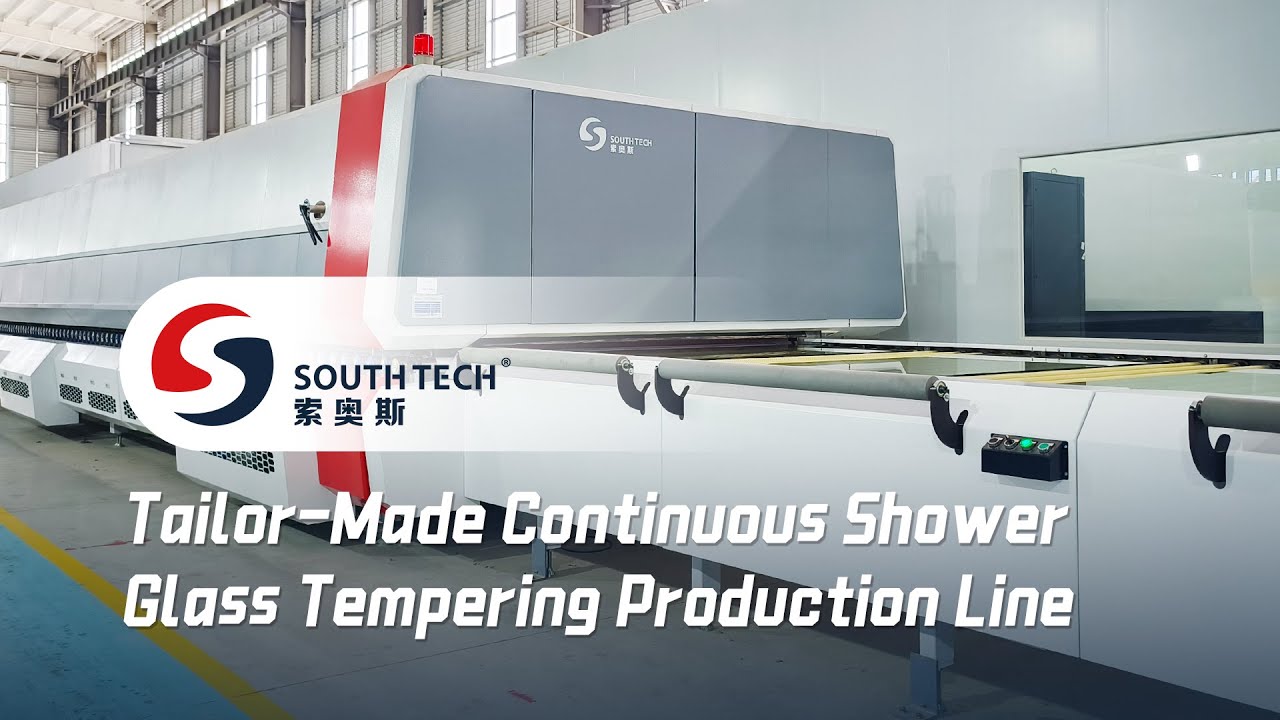
Architecture Furnace
-
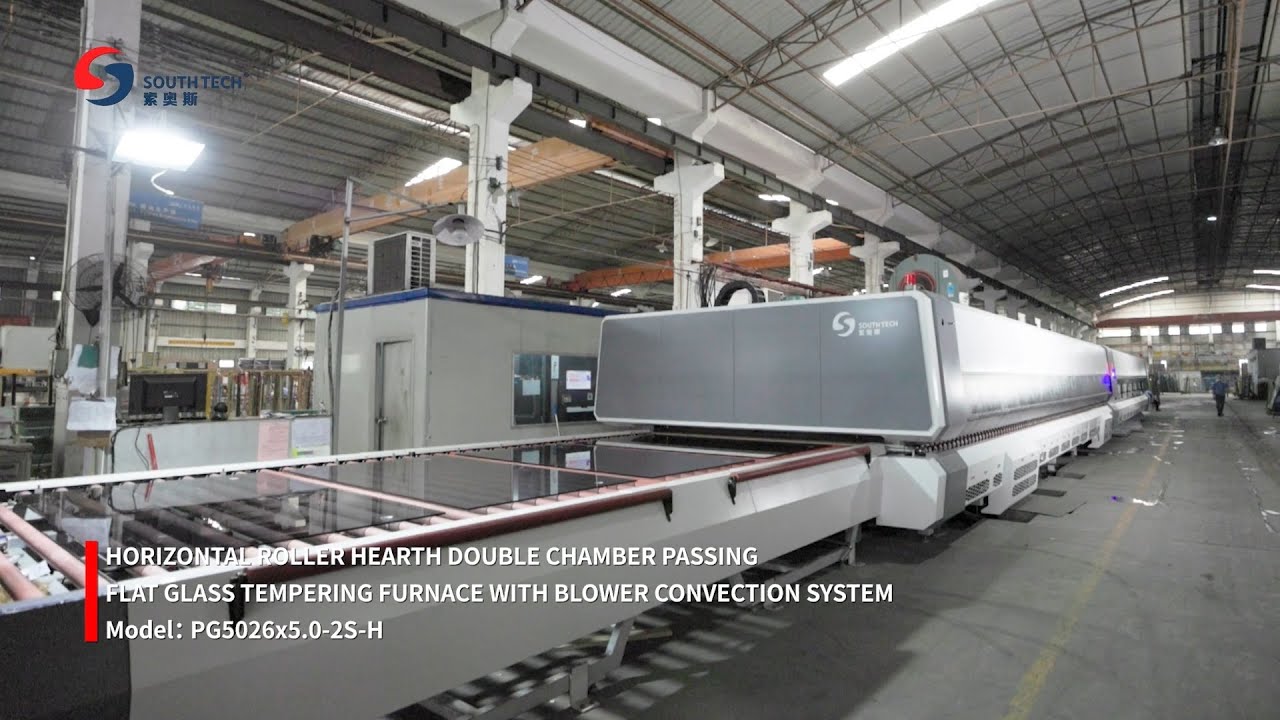
Double Chamber Furnace