
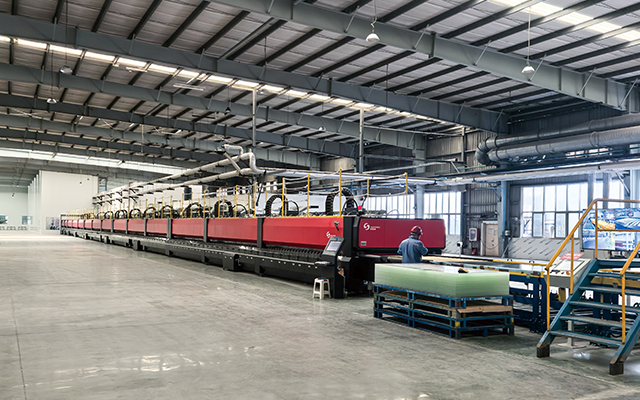
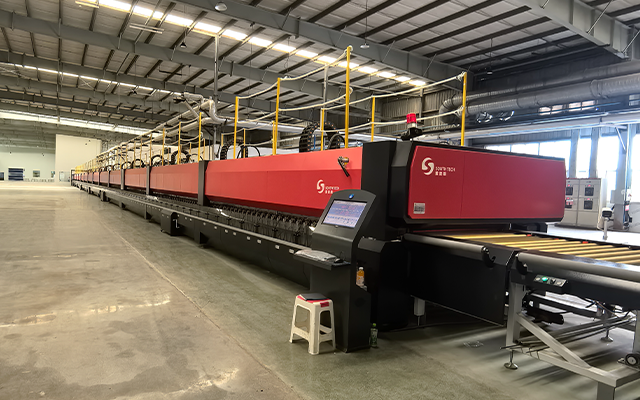
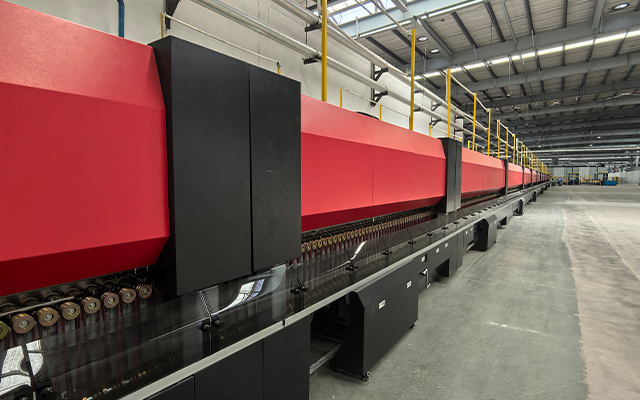
World's First 80-Meter Heating Section Continuous Furnace: Sateak and CSG WuJiang's Technology Breakthrough
While the industry was still debating "whether the heating section of a continuous furnace can be made longer," Sateak had already made it a reality.
Customer Background
CSG WuJiang is a core enterprise under CSG Group, located in Suzhou. The company specializes in energy-efficient architectural glass, photovoltaic glass, and electronic glass deep-processing products. With a complete industrial chain and leading technology, it has become a benchmark in the Jiangsu glass industry and a top-tier glass manufacturing hub in East China—ranked among the domestic leaders in photovoltaic and energy-efficient glass.
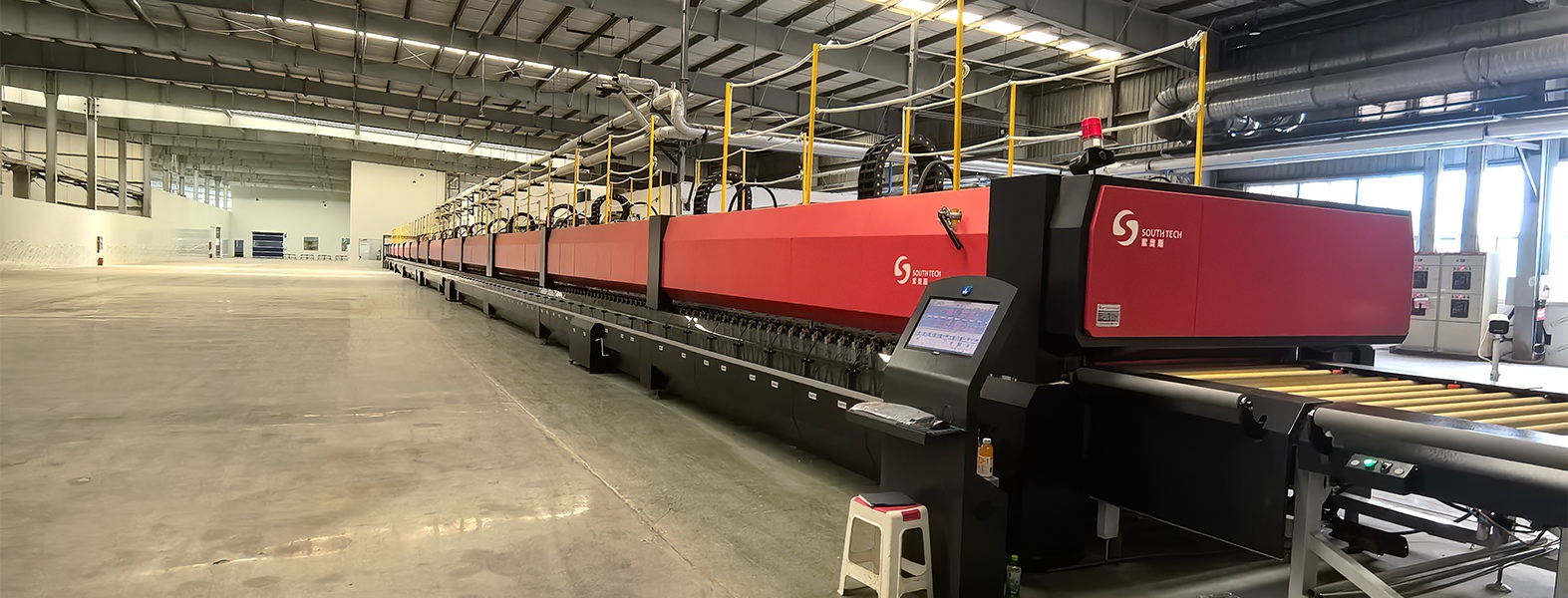
Ultimate Stability, Safeguarding Every Inch.
As the photovoltaic industry continued to grow in recent years, CSG WuJiang's order volume steadily increased, raising higher requirements for both production capacity and quality. The company's core production needs were clear: stably process full-tempered glass above 2.8mm thickness while also achieving continuous stable production of half-tempered glass below 2.5mm. This meant the equipment had to switch flexibly between thin and thick glass, maintain precise temperature control during high-speed sheet feeding, and keep energy consumption at reasonable levels under high-capacity production mode.
"We approached several suppliers," recalled the CSG WuJiang project manager. "Every proposal that could meet these requirements had a catch—either the capacity couldn't keep up, or energy consumption couldn't be reduced, or thin and thick glass simply couldn't share the same production line."
Solutions
Southtech delivered a tailored Dual-line Intelligent Continuously Glass Tempering solution:
1.Multi-Zone Heating & Synced Drive: Shortens heating cycles and ensures ultimate temperature uniformity for thin glass.
2.Unequal Roller Spacing: Tailored for solar glass to reduce optical distortion at the source.
Case Study Videos
-
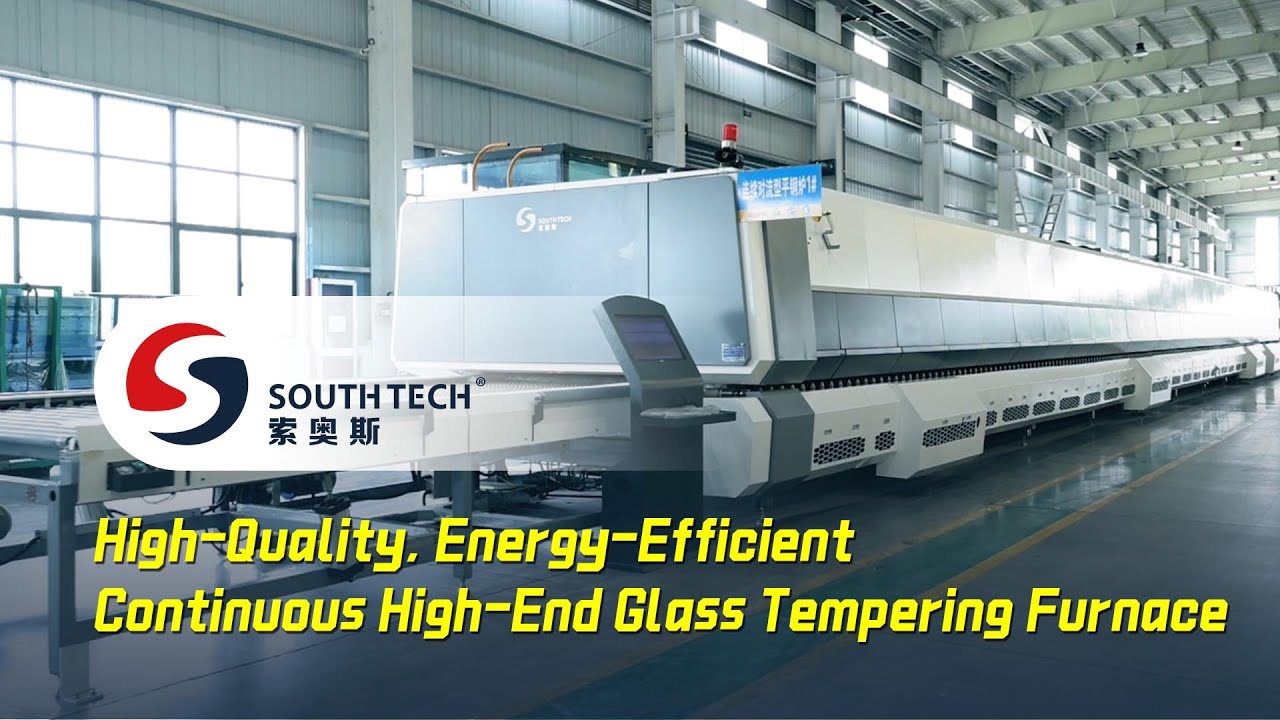
Continuous glass tempering furnace production line
-
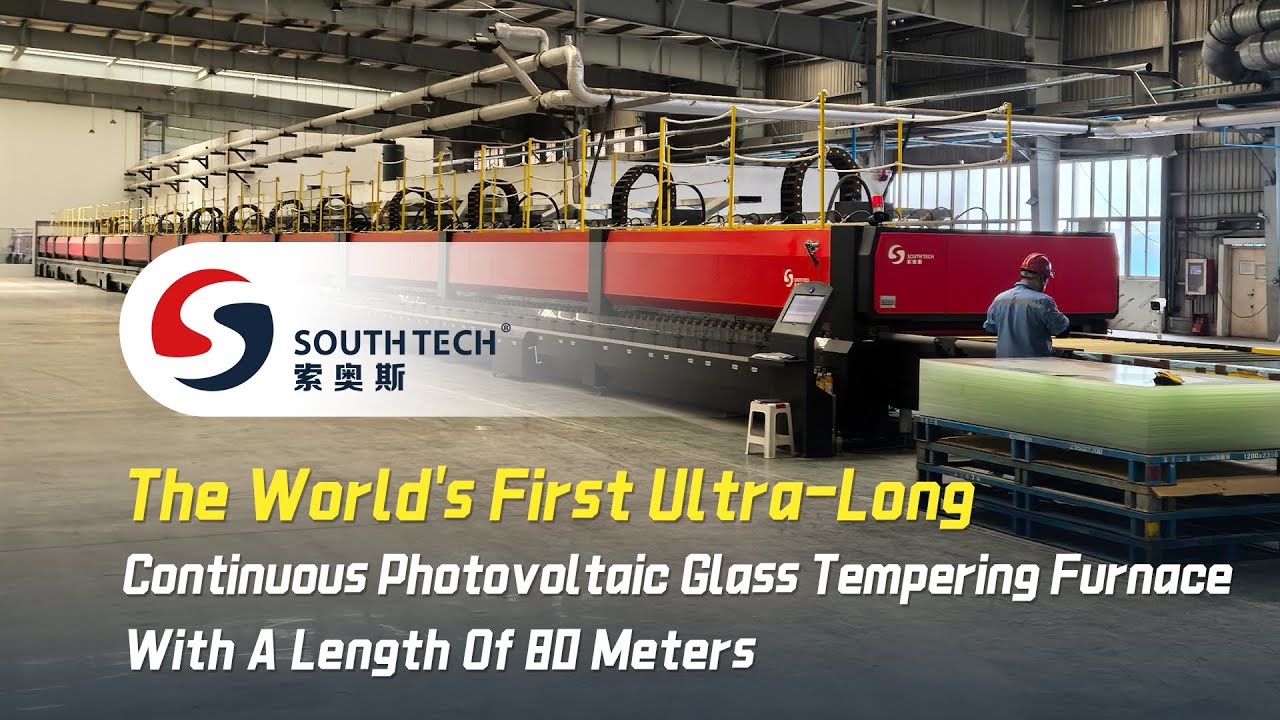
Photovoltaic glass tempering production line